Attic Insulation Cost in West Texas: What Homeowners Actually Pay
Quotes for the same attic can swing by thousands of dollars — and it's not a scam. Material, R-value target, removal, air sealing, and ductwork each move the price independently. Here's how to budget a real 2026 attic job in Seminole, Andrews, Lubbock, Midland, or Odessa.
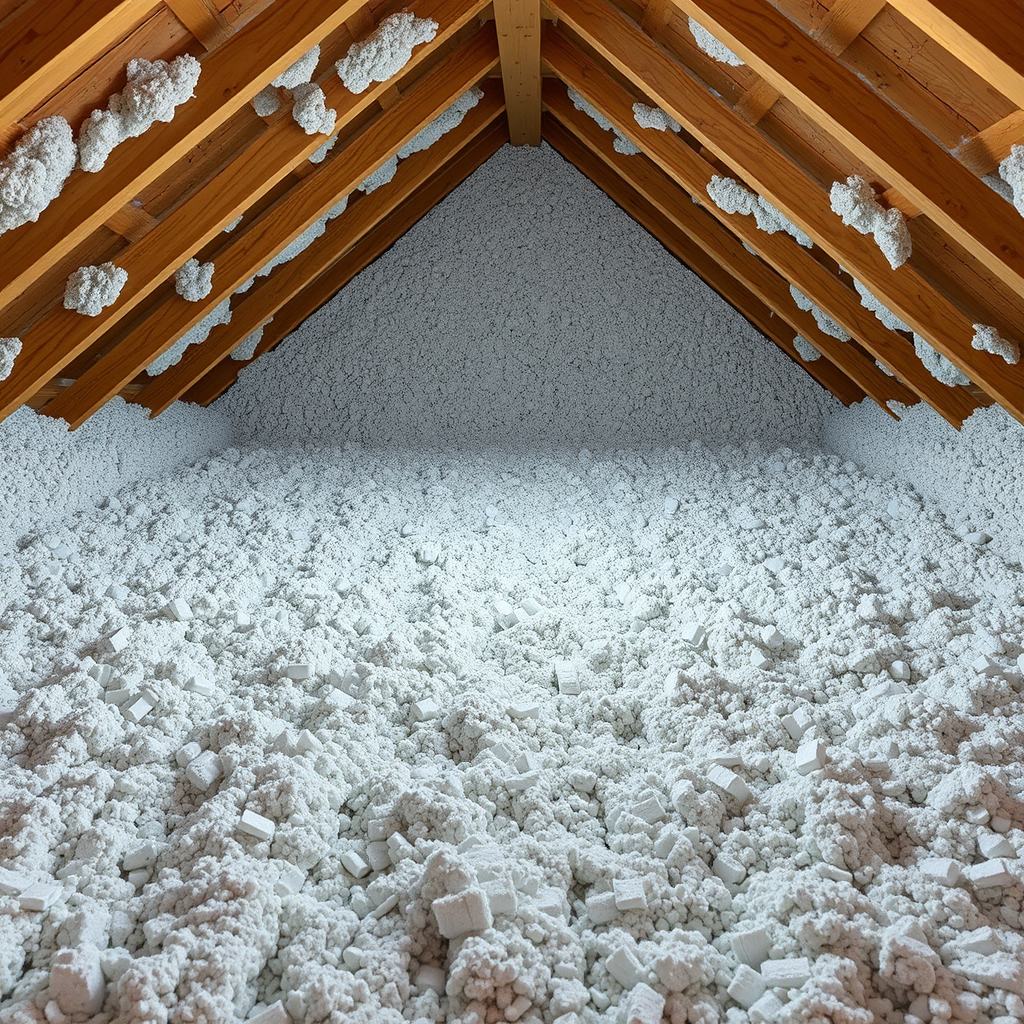
If you've started pricing out attic insulation, you've probably already noticed the numbers online don't agree with each other. One homeowner collected nine quotes for the same 1,400 sq ft attic and got answers ranging from $5,000 to $40,000. That's not nine contractors trying to rip someone off — it's nine different scopes of work getting called by the same name.
"Attic insulation cost" isn't one job. It's a bundle of separate decisions — which material, what target R-value, whether the old insulation comes out first, whether air sealing and baffles are included, whether attic ductwork gets addressed — and each one moves the price independently. This guide breaks the whole-attic job into its real cost pieces, using typical 2025–2026 industry pricing ranges and real homeowner quotes rather than a single price sheet (because no such sheet exists), plus the R-value target that actually makes sense for a IECC Climate Zone 3B home in the Permian Basin.
We'll also correct two things people consistently get wrong going into 2026: what the federal insulation tax credit actually covers now, and what Texas energy code actually requires versus what's simply the smarter retrofit target. If you want the deep-dive on spray foam material pricing specifically — open-cell vs. closed-cell $/sq ft, ROI, financing — that's covered in our full spray foam cost breakdown. This guide covers the whole attic system, across every material, not just foam.
Key Takeaways
- Typical whole-attic jobs range from about $1,100 (small top-up) to $10,000+ (full removal, air seal, and blow-in to R-49) — scope drives price far more than material choice.
- Removing old, contaminated insulation before installing new material is the single biggest swing between a cheap job and an expensive one.
- R-49 is the ENERGY STAR/2021 IECC recommended retrofit target for Zone 3 attics — not a blanket Texas mandate, since the state's current statewide baseline code is still the older 2015 IECC.
- The federal Section 25C insulation tax credit expired December 31, 2025 — budget any 2026 project on its full, gross cost.
- Air sealing has to happen before insulation goes down — leaks buried under new material stay invisible and keep costing you money for the life of the job.
What Determines Attic Insulation Cost in West Texas
Every attic insulation quote is built from the same three levers, and knowing them makes it much easier to compare bids that otherwise look wildly different: material (blown fiberglass, blown cellulose, batts, spray foam, or a radiant barrier add-on), target R-value (how much resistance to heat flow you're installing, which directly sets how many inches of material go in), and scope (whether the job is a simple top-up over clean existing material or a full removal-and-rebuild that also handles air sealing, baffles, and ductwork).
R-value is how R-value is measured — the standard unit for how well a material resists heat flow, and an under-insulated attic is consistently the single biggest source of heat loss and heat gain in a home. Seminole, Andrews, Lubbock, Midland, and Odessa all sit inside DOE's building climate zone map as IECC Climate Zone 3, which sets a higher recommended insulation target than the milder zones to the south and a different one than the colder zones to the north — more on exactly what that means for your attic below.
Cost Per Material: What Gets Installed in a West Texas Attic
No federal agency publishes a live, national $/sq ft price index for insulation installation — every number below is a typical industry range, triangulated from contractor-facing pricing sources and real 2025–2026 homeowner quotes, not a government statistic. Treat these as a starting point for comparing bids, not a fixed price list.
| Material | Typical installed range | R-value per inch |
|---|---|---|
| Blown-in fiberglass | $1.00–$2.50/sq ft | R-2.2–2.7 |
| Blown-in cellulose | $1.00–$3.80/sq ft (removal + air-seal + R-49 jobs commonly ran $2–$4/sq ft) | R-3.2–3.8 |
| Fiberglass batts | $1.50–$3.50/sq ft (can run higher in tight attics — cutting/fitting around joists and wiring is labor-heavy) | R-2.9–3.8 |
| Open-cell spray foam | ~$1.00–$1.75/sq ft per inch (roughly $3–$5/sq ft total at typical thickness) | R-3.5–3.8 |
| Closed-cell spray foam | ~$1.50–$3.50/sq ft per inch (roughly $5–$8/sq ft total) | R-6.0–7.0 |
| Radiant barrier (add-on) | $0.50–$1.50/sq ft as an add-on; whole-attic retrofits commonly land $1,500–$3,000 | N/A (reflective, not R-value based) |
Typical Installed Cost Range by Material ($/sq ft)
Why these are ranges, not fixed pricesNo .gov or manufacturer source publishes retail insulation pricing — these figures come from contractor-facing industry pricing and real 2025–2026 homeowner quotes. Depth, access, and local labor rates all move the number, which is exactly why a free on-site assessment beats any online calculator.
Spray foam's per-square-foot number looks higher than blown material on paper, but it's doing a different job — it's also an air seal, not just an R-value layer. For the full open-cell vs. closed-cell breakdown, ROI math, and financing options, see our dedicated full spray foam cost breakdown and our open-cell vs. closed-cell foam comparison. NAIMA's own R-value comparison by insulation material and the Insulation Institute's comparing attic insulation options guide are useful if you want the manufacturer-side view of these same materials side by side.
How Much R-Value (and How Many Inches) Does a West Texas Attic Need?
The 2021 IECC Table R402.1.3 raised the prescriptive ceiling/attic insulation requirement for Climate Zones 2 and 3 from R-38 up to R-49 — a real increase from the previous code cycle. Gaines County (Seminole) is confirmed IECC Climate Zone 3B, alongside the rest of the Permian Basin, so this is the correct target zone for your attic.
R-49 is the smart target — not a blanket Texas lawTexas's current statewide baseline residential energy code is still the older 2015 IECC (R-38 ceiling), not the 2021 IECC. Individual counties and cities can locally adopt the newer code, and some have, but that varies by jurisdiction. R-49 is what ENERGY STAR and the 2021 IECC recommend as the retrofit target for Zone 3 — a genuinely higher-performance number worth building to — but confirm your specific county's currently adopted code with your local building authority before assuming it's mandatory. Either way, ENERGY STAR recommends R-49 for existing-home retrofits in this climate band regardless of local code minimums.
ENERGY STAR is direct about the retrofit number: for fiberglass and cellulose insulation, roughly R-3 per inch, and "in Central and Northern U.S. climates, a minimum of R-49 is recommended." Here's what hitting R-49 actually means in inches, by material:
| Material | R-value/inch | Inches to reach R-49 |
|---|---|---|
| Blown-in fiberglass | R-2.2–2.7 | ~18–22 inches |
| Blown-in cellulose | R-3.2–3.8 | ~13–15 inches |
| Fiberglass batts | R-2.9–3.8 | ~13–17 inches |
| Closed-cell spray foam | R-6.0–7.0 | ~7–8 inches (rarely done full-depth — foam is more often used for air sealing plus a hybrid R-value system) |
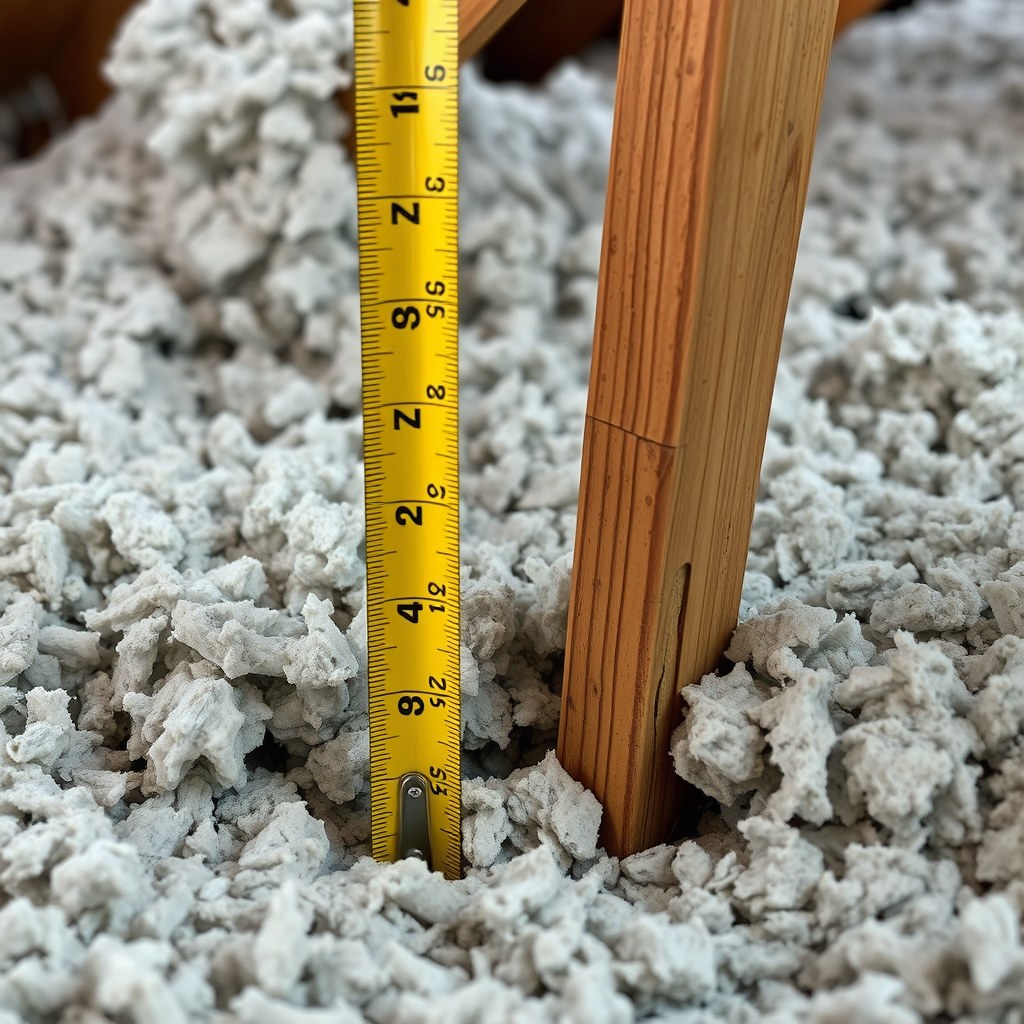
If your attic currently has 6 inches of fiberglass batt, you're sitting around R-18–23 — well under the R-49 retrofit target, and a very common starting point for the homes we assess across Seminole, Andrews, and Midland.
Typical Whole-Attic Job Cost by Home Size
Built from real 2025–2026 homeowner quotes rather than a single published table — presented here as what homeowners are actually being quoted, not a manufacturer or government price sheet:
That spread is real, and it's driven almost entirely by scope. One homeowner collected 9 quotes for the same 1,400 sq ft attic ranging from $5,000 to $40,000 — the low bids were straightforward blow-in top-ups, the high bids bundled full removal, pest remediation, extensive duct sealing, and premium materials. A tight ~625 sq ft attic with difficult joist access was quoted $3,300 for fiberglass batts — proof that batts can cost more per square foot than blown material when access is the limiting factor, not the material itself.
Attic-Specific Cost Drivers the Material Price Doesn't Cover
These are the line items that turn a "$1.50/sq ft material cost" into a real, itemized bid — and they're exactly what our client's full spray foam cost breakdown doesn't cover, because they apply to the attic assembly as a whole, not to any one material.
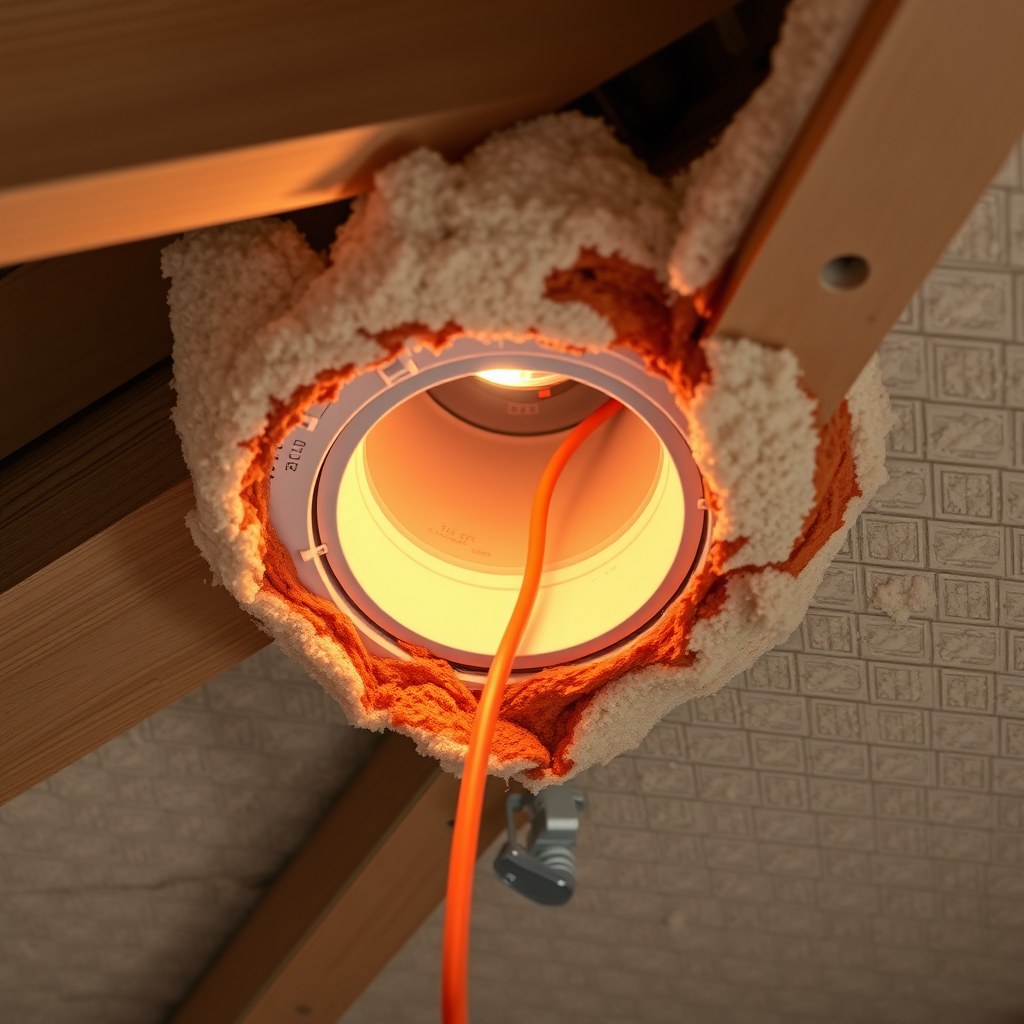
Topping Up vs. Full Remove-and-Replace
This is the single clearest cost-driver framing homeowners land on once they've collected a few quotes: "top-up/blow-in only" is cheap and fast, while "removal + air-seal + full R-49 build-out" is the expensive job. Real quotes show topping up existing, clean, dry, uncontaminated insulation running roughly $500–$2,500 for a typical single-family attic, while removal-and-replace commonly runs $2,500–$10,000+ depending on size and contamination extent.
| Top-up (over clean, dry insulation) | Remove-and-replace | |
|---|---|---|
| When it applies | Existing material is thin but clean, dry, and uncontaminated | Rodent contamination, mold/moisture damage, or compaction below effective R-value |
| Typical cost | $500–$2,500 | $2,500–$10,000+ |
| Adds | adding spray foam over an existing attic floor or blown material to reach target R-value | Removal labor, disposal, sanitizing, plus full re-insulation |
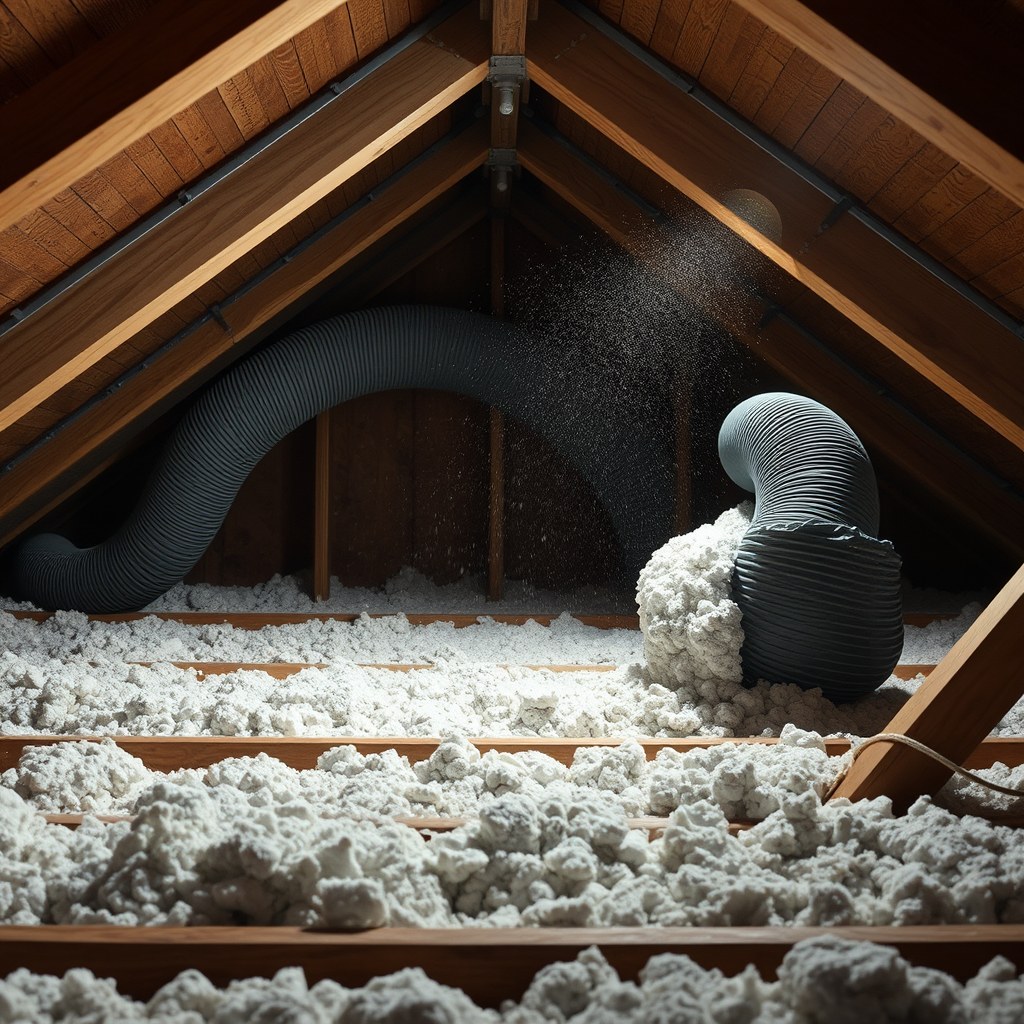
DOE's existing-homes retrofit guidance frames the same decision as a standard first step: assess existing conditions before deciding scope. There's no single bright-line rule for exactly when removal becomes mandatory versus optional — it's standard industry practice, driven by contamination, moisture, and compaction, not a fixed number of years.
Vented vs. Unvented Attics: Cost and Fit for Zone 3B
Attics can be built or retrofitted as vented or unvented in any climate zone — it's a design choice, not a climate mandate. A traditional vented attic keeps insulation at the attic floor with soffit-to-ridge airflow above it. An unvented, conditioned attic assembly instead moves the insulation and air barrier to the roofline, typically using closed-cell spray foam or rigid board, and brings the attic itself — and any ductwork inside it — into the home's conditioned thermal envelope.
Unvented/hot-roof conversion is materially more expensive than a vented blow-in retrofit, because it requires spray foam or rigid board at the roof deck rather than cheaper blown material at the floor, and it often relocates ductwork considerations into conditioned space. There's no authoritative dollar-delta figure for this premium — it's a scope/cost-tier decision your assessment should walk through, not a fixed number.
Why it can make real sense in Zone 3B specifically: ductwork commonly runs through the attic in West Texas construction. An unvented, conditioned attic brings that ductwork inside the thermal envelope — a real efficiency lever independent of the insulation upgrade itself, since duct leaks alone can cost you up to 20% of HVAC efficiency. Moisture is also a smaller concern here than it is in cold or humid climates; attic moisture and mold risk from an under-ventilated assembly is a real factor to design around either way.
ROI: What Insulation and Air Sealing Actually Save
EPA estimates, via ENERGY STAR's savings methodology, that homeowners can save an average of 15% on heating and cooling costs (11% on total energy costs) by air sealing their home and adding insulation. That figure is a percentage, not a fixed dollar payback period — a specific dollar timeline depends on your utility rate and usage, which is exactly what a free on-site assessment can calculate for your actual home rather than a generic online estimate.
The radiant barrier figure is especially relevant to Zone 3B: PNNL's performance brief documents radiant barriers cutting cooling costs 8–12% in hot climates by blocking radiant heat from a hot roof deck before it reaches ductwork and ceilings — a mechanism that stacks on top of, rather than replaces, the insulation R-value gains above.
The federal tax credit expired — budget on gross costThe Section 25C Energy Efficient Home Improvement Credit, which covered insulation, expired for any property placed in service after December 31, 2025. The IRS, ENERGY STAR, and NAHB all confirm the cutoff. A 2026 attic insulation project does not qualify for a federal credit — plan your budget on the full, gross project cost, not a post-credit number. If your household qualifies by income, the Texas Weatherization Assistance Program (administered under the federal DOE Weatherization Assistance Program) remains a separate, verified option worth checking — it's unrelated to the expired tax credit.
How to Read and Compare an Attic Insulation Quote
Use a standard attic insulation checklist like this one to compare bids on scope, not just the bottom-line number:
A qualified insulation contractor should also be willing to use thermal imaging to confirm coverage after the job is done — a fast, objective way to verify the insulation is actually where it's supposed to be, not just a claim on an invoice.
Getting the Right Number for Your West Texas Attic
Every attic in Seminole, Andrews, Lubbock, Midland, and Odessa is a different combination of square footage, access, existing insulation condition, and ductwork layout — which is exactly why a real number has to come from an on-site look, not an online calculator. That's the conversation we have on every attic insulation services assessment: what's actually up there now, what target R-value makes sense for your home, and whether the job is a straightforward top-up or a full removal-and-rebuild.
If you're weighing materials for the job, our spray foam insulation and whole-home insulation pages cover the options in more depth, and our guide on signs your insulation needs replacing is a good gut-check before you call anyone. If old material needs to come out first, our insulation removal team handles that as part of the same project rather than a separate hire. We serve attic insulation in Seminole, attic insulation in Midland, and the surrounding Permian Basin communities.
Frequently Asked Questions
How much does it cost to insulate a 1,500 sq ft attic?
Typical range for a 1,500 sq ft attic runs roughly $2,500–$10,000+ depending on scope. Blow-in top-up over clean existing insulation lands at the low end; full removal, air sealing, and blow-in to R-49 push toward the higher end. Get itemized quotes to compare scope, not just price.
What is the cheapest way to insulate my attic?
Blown-in fiberglass or cellulose over existing, uncontaminated insulation is typically the lowest-cost option per square foot, since it skips removal labor and spray foam material costs. DIY blow-in with a rented blower can cut costs further, but skips the air sealing and baffle work a pro would include.
Is adding attic insulation worth it?
Yes — ENERGY STAR/EPA estimate homeowners save an average of 15% on heating/cooling costs (11% on total energy costs) by air sealing and adding attic insulation. In hot climates like West Texas, radiant barriers add another 8–12% cooling-cost cut on top of insulation gains.
How much is 1,000 square feet of attic insulation?
A 1,000 sq ft attic typically runs $1,100–$5,400+ depending on scope. One real 2026 quote came in at $5,400 for blow-in R-39 without removal; a DIY-comparable job can run under $1,000 in materials alone if the homeowner does the labor.
Is replacing attic insulation worth it?
Worth it when existing insulation is contaminated (rodent waste, mold, moisture damage) or compacted below its rated R-value — replacement restores real performance a top-up over damaged material can't. If insulation is simply thin but clean and dry, topping up is usually the cheaper, equally effective option.
How much does it cost to insulate a 2,000 sq ft attic?
Typical range is roughly $2,750–$8,000 for a standard removal-and-blow-in scope on a 2,000 sq ft attic; jobs bundled with pest remediation or extensive duct/ventilation work can run higher — one real quote hit $18,000 for a 2,400 sq ft home with pest-control-bundled insulation.
How much does it cost to remove old insulation and install new?
Removal-and-replace typically runs $2–$4 per square foot depending on insulation depth and contamination level — notably more than a top-up job, since it adds disposal, sanitizing, and full re-insulation labor. A 1,500 sq ft attic removal-and-replace commonly lands in the $5,000–$10,000+ range.
What is the recommended R-value for an attic in Texas?
ENERGY STAR recommends R-49 for existing-home attic retrofits in Central/Northern U.S. climates, matching the 2021 IECC's Zone 2–3 prescriptive ceiling requirement (raised from R-38). Note: Texas's current statewide baseline code is still 2015 IECC (R-38) — R-49 is the retrofit-recommended, higher-performance target, not a blanket state mandate.
Is 6 inches of attic insulation enough?
Usually not by current recommendations — 6 inches of fiberglass batt is roughly R-18–23, well under the R-49 ENERGY STAR/2021-IECC retrofit target. Most West Texas attics we assess with 6 inches or less need a meaningful top-up or full rebuild to reach a modern target.
What type of insulation is best for a hot, dry climate like West Texas?
Closed-cell spray foam, blown cellulose, and blown fiberglass all work well in Zone 3B's hot-dry conditions — moisture resistance matters less here than in hot-humid Gulf Coast climates. Radiant barriers are especially effective for West Texas specifically, since they block radiant heat transfer from a hot roof deck before it reaches attic ductwork.
What type of insulation is best for hot climates generally?
Radiant barriers are specifically effective in hot climates because they block radiant heat transfer from the hot roof deck — especially valuable when cooling ducts run through the attic, as is common in West Texas construction. PNNL/ORNL data show 8–12% cooling-cost reductions from radiant barrier retrofits.
Get a Real Number for Your Attic
Skip the online calculator. We'll look at your actual square footage, existing insulation condition, and ductwork layout, and give you a straight, itemized quote — no guesswork.
Get a Free Attic Assessment