Insulation Removal: When It's Necessary, How It Works, and What It Costs
Old insulation doesn't always need to come out — but sometimes it absolutely must, and building over it is the worse mistake. Here's how to tell the difference, what a professional removal job actually involves, and what it costs.
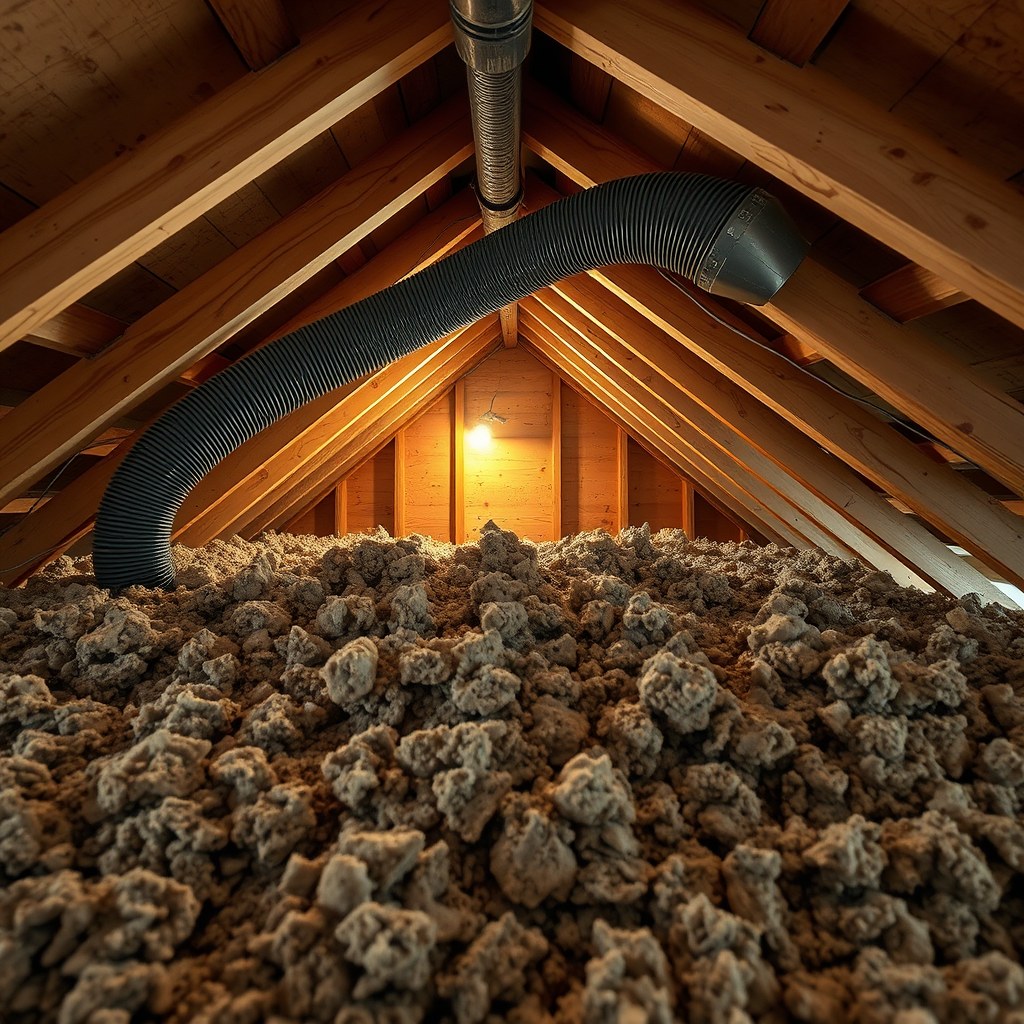
If you already suspect your attic insulation is a problem, our guide on the signs your insulation needs replacing covers how to spot it. This article picks up from there. Once you know something's wrong, the next question is the one that actually costs you money either way: do you add new insulation directly over what's there, or does the old material have to come out first?
Get that call wrong in one direction and you waste money removing insulation that never needed to go. Get it wrong in the other direction and you seal a health hazard, a moisture problem, or worse, into your attic under a fresh layer of new material — where it keeps doing damage, just less visibly. This article is about the removal job itself: when it's mandatory, what contamination actually means for your health and your home, how a professional crew handles it, what it costs, and why the moment your attic deck is exposed is the single best opportunity you'll get to fix problems that are normally invisible.
Key Takeaways
- Adding new insulation over old is fine only when the existing material is dry, clean, pest-free, and structurally intact — contamination, moisture, mold, or suspected asbestos all make removal mandatory, not optional.
- Rodent-contaminated insulation should never be swept or vacuumed dry — disturbing dried droppings and urine can release hantavirus particles into the air.
- Vermiculite (pebble-like, gray-brown or silver-gold pour-in insulation, often sold as "Zonolite") should be assumed to contain asbestos and left undisturbed — call a licensed abatement contractor, not a standard insulation crew.
- Typical industry data puts clean, dry attic removal at $600–$1,200; contamination — pests, mold, asbestos — is the single biggest cost multiplier on top of that baseline.
- The moment your attic deck is exposed during removal is the single best opportunity to air seal before new insulation goes back in — seal after, and those gaps become invisible again for another 15-20 years.
Should You Remove Old Insulation, or Add New On Top?
"Topping off" — laying new insulation directly over existing material — is a legitimate, lower-cost approach, and it's the right call more often than internet forums make it sound. It only works, though, when every condition on the "safe to add over" side below is true. If even one condition on the "removal mandatory" side applies, adding over doesn't fix anything — it just buries the problem under new material and new labor cost.
| Safe to add insulation over existing material | Removal is mandatory first |
|---|---|
| Dry, with no history of leaks | Contaminated by pests — droppings, urine, or nesting material present |
| No visible mold, staining, or musty odor | Wet or moisture-damaged — wet insulation loses R-value and can't be dried in place |
| No evidence of pest activity (droppings, gnaw marks, nesting) | Mold growth present — porous material with mold often can't be cleaned reliably |
| Compatible material type being added (check manufacturer guidance for foam-over-fiberglass) | Compacted or physically damaged from foot traffic, prior work, or age |
| No known or suspected asbestos-containing vermiculite present | Smoke or fire damage — odor and soot are absorbed into porous fibers |
| Active, ongoing pest infestation — insulation must come out as part of remediation, not just be topped |
Special case: vermiculite — do not disturb it yourselfIf your attic insulation is a pebble-like, gray-brown or silver-gold pour-in material — commonly sold under the brand name "Zonolite" — EPA's guidance is unambiguous: assume it contains asbestos and do not disturb it. A mine near Libby, Montana supplied over 70% of U.S. vermiculite sold between 1919 and 1990, and that deposit was contaminated with asbestos. Don't test it yourself — testing methods can expose you to fibers in the process — and don't attempt removal with a standard insulation crew. EPA's own guidance on whether to remove vermiculite recommends hiring a trained, accredited asbestos abatement contractor instead. Desert Spray Foaming does not perform asbestos abatement — if you suspect vermiculite, this is a safety referral to a licensed abatement specialist, not a job we quote.
What Kind of Contamination Are You Dealing With?
Not all "bad insulation" is the same problem, and the removal approach differs depending on what's actually in it.
Rodent and pest droppings, urine, and nesting material
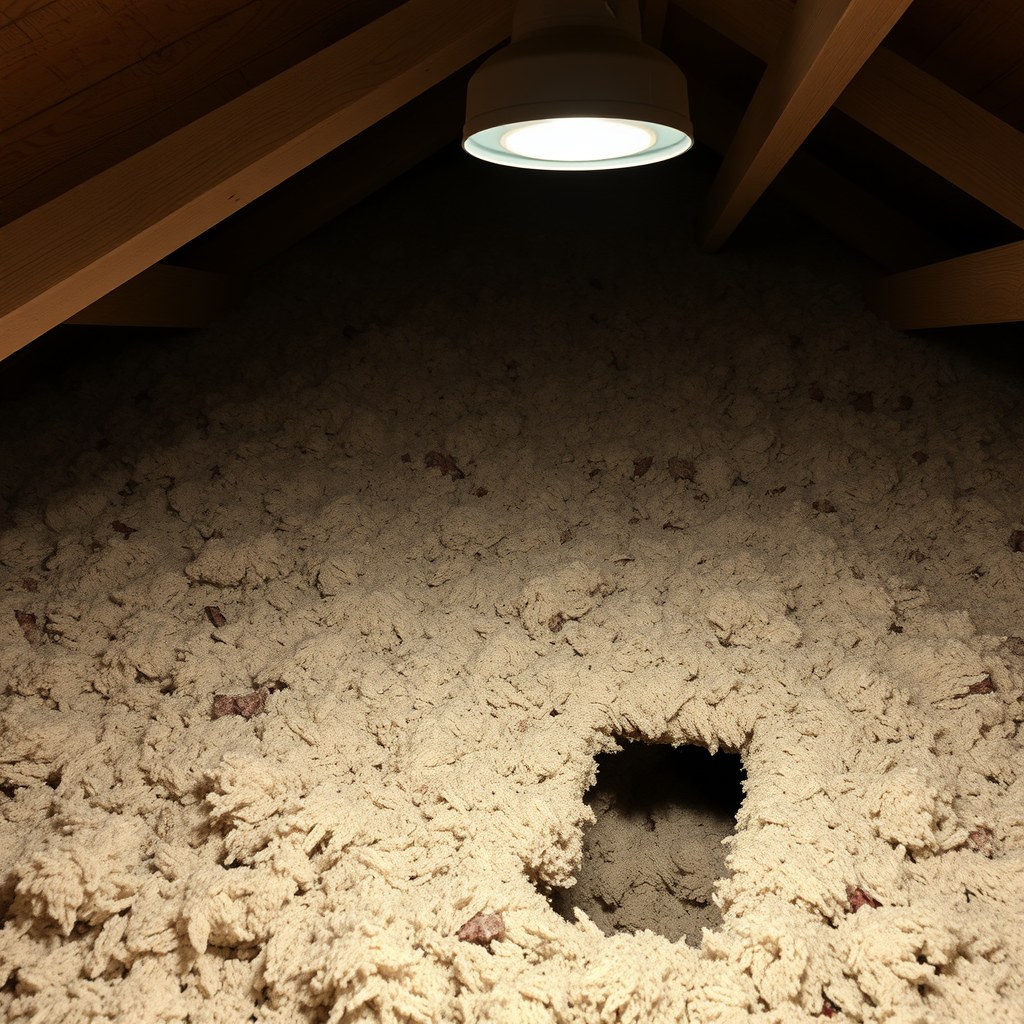
Insulation is close to ideal rodent habitat — warm, soft, and undisturbed for months or years at a time. Once droppings, urine, or nesting material are present, the insulation itself becomes the contamination, not just the surrounding space. That material needs to be bagged and removed, not vacuumed loose or swept out (more on why in the health and safety section below). Field reports from pest control companies consistently describe full removal, sanitizing, and air sealing as the actual remediation — not spot-cleaning — because urine and pheromone residue left in old insulation keeps attracting new rodents even after the original infestation is gone. We cover this more in the pest section further down.
Mold and water damage
Per EPA's guidance on how moisture drives mold growth, porous materials like insulation that develop mold "may have to be thrown away" because mold can grow into the empty spaces and crevices within the material itself, making it difficult or impossible to remove completely once it's established. Wet insulation has its own separate problem even without visible mold: cellulose and fiberglass batts that have been saturated compress and mat, permanently losing the loft that gives them their R-value — drying it out afterward doesn't restore that structure. EPA's guide to mold cleanup after water damage is a useful homeowner-facing reference on when building material, insulation included, needs to be removed rather than dried and reused.
Smoke and fire damage
Porous insulation absorbs smoke odor and soot in a way that's very difficult to fully reverse — industry practice favors full removal and replacement over attempting to clean it, since the odor tends to stay bound in the fibers. There isn't a government source that quantifies this specifically; treat it as established trade practice rather than a cited statistic.
Material differences: what comes out how
Blown-in cellulose or fiberglass gets pulled out with a specialized HEPA-filtered insulation removal vacuum that draws material through a hose directly into sealed collection bags — fast, contained, and the standard approach for loose-fill material. Batts and rolls (fiberglass or mineral wool) are removed by hand, folded, and bagged, which is more labor-intensive per square foot. Rigid foam board is also hand-removed and typically carries the highest per-square-foot removal cost of the common material types, since there's no vacuum shortcut for a solid panel.
The Health Risks Behind Contaminated Insulation — and Why Crews Suit Up
This is the part of the job that separates a real removal service from a shortcut, so it's worth being precise rather than dramatic. The risks below are documented, sourced, and specific — not scare tactics, and not exaggerated beyond what the source agencies actually state.
Hantavirus: the reason you never sweep or vacuum rodent droppings
Per the Texas Department of State Health Services' guidance on how hantavirus spreads, hantaviruses move from rodents to people mainly when fresh urine, droppings, or nesting material gets disturbed and stirred up — virus particles become airborne and are inhaled. This isn't a minor illness: hantavirus can cause serious disease affecting the lungs and kidneys. Texas is a real hantavirus-risk state, since the deer mouse that carries the regionally significant Sin Nombre strain is present across West Texas, which is exactly why DSHS — the state health authority — is the right lead source here rather than a generic national reference. DSHS's own hantavirus symptoms and risk factors FAQ specifically flags cleaning an enclosed space like an attic or crawlspace as a risk activity.
The practical rule that follows from this is simple and non-negotiable: never dry-sweep or vacuum rodent droppings, urine, or nesting material. Doing so is exactly what aerosolizes the particles that make hantavirus a real risk. If exposed insulation is contaminated with droppings and urine, the correct handling is to place it into sealed plastic bags for removal, not to disturb it loose in the open air of the attic.
The correct order of operationsThis sequence follows the CDC's guidance on cleaning up after rodents: ventilate the space before entering (open access for roughly 30 minutes and leave the area during that window), wear appropriate PPE, wet down droppings/urine with a disinfectant solution before disturbing them at all, then bag contaminated material for removal — never sweep or vacuum it dry.
Histoplasmosis: the fungal risk hiding in bird and bat droppings
Attics and outbuildings sometimes carry bird or bat droppings alongside or instead of rodent contamination, and that introduces a different organism: Histoplasma, a fungus that grows in soil and material contaminated with those droppings. NIH's clinical overview of histoplasmosis describes it as a lung infection contracted by inhaling airborne spores, with activities that disturb contaminated material — cleaning, remodeling, tearing out old insulation — raising the risk of exposure. This isn't a theoretical concern: a documented histoplasmosis outbreak from disturbed attic droppings, published in the American Journal of Public Health and archived through the National Library of Medicine, traces real cases of acute infection directly to workers disturbing contaminated attic material without adequate protection.
NIOSH's guidance for workers on histoplasmosis (published by the CDC's National Institute for Occupational Safety and Health) lays out the specific PPE response: particulate respirators rated for the job, and work practices that minimize disturbing contaminated material without containment. People with weakened immune systems, older adults, infants, and outdoor or construction workers with heavy exposure carry higher risk if infected.
Mold exposure
Beyond the material-disposal question covered above, disturbing mold-contaminated insulation during removal is itself an exposure event. EPA's mold remediation containment and PPE levels guidance scales the required containment and protective equipment to the size of the contaminated area — larger mold problems call for more rigorous containment barriers and respiratory protection than a small, contained spot. EPA's own framing is the right one here: avoid unnecessary exposure during cleanup, and talk to a health professional first if you have existing health concerns.
Respiratory protection: what the PPE requirement actually is
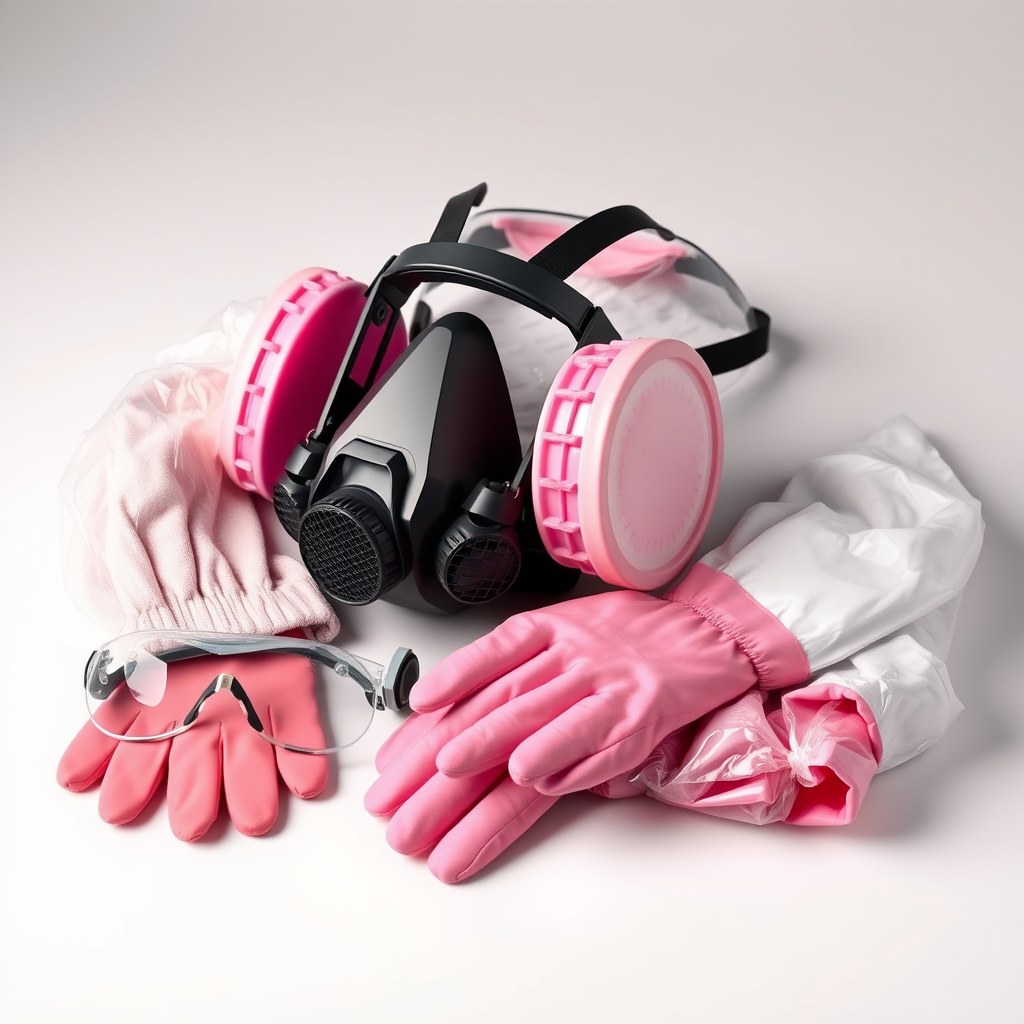
For anyone doing this work — whether cleaning up after rodents, handling mold-contaminated material, or clearing fiberglass and cellulose dust in a hot, low-visibility attic — respiratory protection isn't optional gear, it's a governed requirement. OSHA's respiratory protection standard (29 CFR 1910.134) sets the framework for fit testing, respirator selection, and a written protection program for workers. OSHA's brief guide to mold in the workplace translates that into practical terms specifically for mold-contaminated environments. In practice, heavy contamination cleanup calls for disposable coveralls, rubber or shoe covers, protective gloves, goggles, and a half-mask air-purifying respirator with a HEPA filter (or a powered air-purifying respirator for heavier exposure) — not a paper dust mask picked up at a hardware store.
Why DIY removal is genuinely risky — not scare marketing
Put the pieces together and the case for hiring a professional stops being a sales pitch and becomes a straightforward safety argument. You're dealing with potentially airborne biological hazards (hantavirus, histoplasma spores) plus mold spores plus ordinary fiberglass or cellulose dust irritation, in a space that's already low-ventilation, low-visibility, and often well over 120°F in a West Texas summer attic. Add the fact that correct respiratory protection requires fit-testing and cartridge selection most homeowners have never done, and the honest picture is: this is a job with real, documented hazards that a properly equipped and trained crew is set up to handle safely — and a homeowner working alone in an attic generally isn't.
The Professional Insulation Removal Process, Step by Step
A properly run removal job follows a consistent sequence, whether the contamination is pest-related, mold-related, or the insulation is simply old and compacted.
Inspection
Identify the insulation type, the contamination type and extent, any moisture source, and check specifically for vermiculite before anything else in the space is disturbed.
Containment and ventilation
Ventilate rodent-contaminated spaces (roughly 30 minutes of open airflow before re-entry) and, for mold-contaminated jobs, set up containment barriers to keep spores from spreading into the rest of the home during removal.
Removal
HEPA-filtered insulation removal vacuum for blown-in material, pulling it directly into sealed collection bags; hand removal and bagging for batts, rolls, rigid board, and any droppings/urine-contaminated material.
Sanitizing
Disinfect the exposed deck, joists, and surrounding hard surfaces — and where mold was present, address the moisture source directly, not just the visible growth.
Deodorizing
Treat surfaces after sanitizing for smoke or pest odor where present — this is standard trade practice rather than a government-sourced step.
Air sealing while the deck is exposed
The single highest-value moment in the entire job — covered in detail below.
Re-insulate
Install new material sized to current recommendations for our IECC Climate Zone 3B.
Disposal
Handle waste according to its actual contamination level — ordinary debris, or, for suspected asbestos, through a licensed abatement contractor's regulated process.
What Drives the Cost of Insulation Removal
Removal cost isn't one number — it's the product of several variables stacking on top of each other. The ranges below are general industry data points for reader context, not Desert Spray Foaming's own pricing; we quote every job based on the actual attic in front of us, not a national average.
| Cost driver | Why it matters |
|---|---|
| Square footage | Larger attics simply take longer to clear, regardless of material or condition |
| Insulation depth/thickness | Deeper existing material means more volume to remove per square foot of floor |
| Material type | Blown-in vacuums out fastest; batts and rigid board require slower hand labor |
| Contamination level | The single biggest cost multiplier — clean and dry vs. pest/mold/smoke changes the whole job |
| Access difficulty | Low clearance, no attic floor, or heavy obstructions can add roughly $1/sq ft |
| Disposal requirements | Volume plus any hazardous-material handling changes disposal cost and process |
Contamination is where the range widens the most. Industry cost data breaks removal down by material — blown-in runs roughly $600-$1,000, batts/rolls $800-$1,100, rigid board $900-$1,200, since rigid requires full hand removal. Pest-related remediation (removal, pest control, and sanitizing together) can add up to $8,000 in severe cases; ongoing pest control service alone typically runs $110-$260. Mold remediation industry data runs $1,225-$3,750. Asbestos abatement, after testing confirms asbestos is present, runs roughly $1,190-$3,255 — and again, that's abatement-contractor pricing, not a service Desert Spray Foaming performs.
Typical Removal Cost by Scenario (industry data ranges, not DSF pricing)
Disposal — What Actually Happens to the Old Insulation
Ordinary, non-contaminated insulation waste is generally handled as standard construction and demolition debris, accepted at most municipal or regional facilities that take C&D material. There's no single federal rule governing ordinary insulation disposal specifically — acceptance criteria are set locally, so specifics vary by facility and aren't something we'll state as a blanket fact here.
Asbestos-contaminated material is a different, federally regulated category. Demolition or renovation work that disturbs asbestos-containing material — suspected vermiculite included — falls under federal asbestos waste-handling rules under the EPA's Asbestos NESHAP, which sets notification and handling requirements that a standard insulation contractor isn't equipped or licensed to follow. That's the regulatory reason vermiculite removal has to go through a licensed abatement contractor rather than through a general waste stream. For pest-contaminated insulation at ordinary household scale, safe handling means double-bagging and sealed-bag disposal in regular covered trash — a safe-handling recommendation, not a formal disposal regulation.
The Exposed-Deck Window: The Best Time to Air Seal
This is the strongest argument for treating removal as more than a standalone service: with the attic deck and joists fully exposed, gaps that are normally invisible — around top plates, wiring and plumbing penetrations, dropped soffits, and flue chases — are fully visible and fully accessible for the only time in years. The DOE/ENERGY STAR Attic Air Sealing Project guide lays out the right sequence: plug the largest holes first (top-plate and wall-to-ceiling junctions, dropped soffits, kneewall cavities), seal flues with high-temperature caulk and metal flashing — never spray foam directly against a hot flue surface — and seal smaller wiring and plumbing penetrations with expanding foam or caulk. All of it happens before new insulation goes back in, because doing it after means the seals are buried and the leaks return to being invisible.
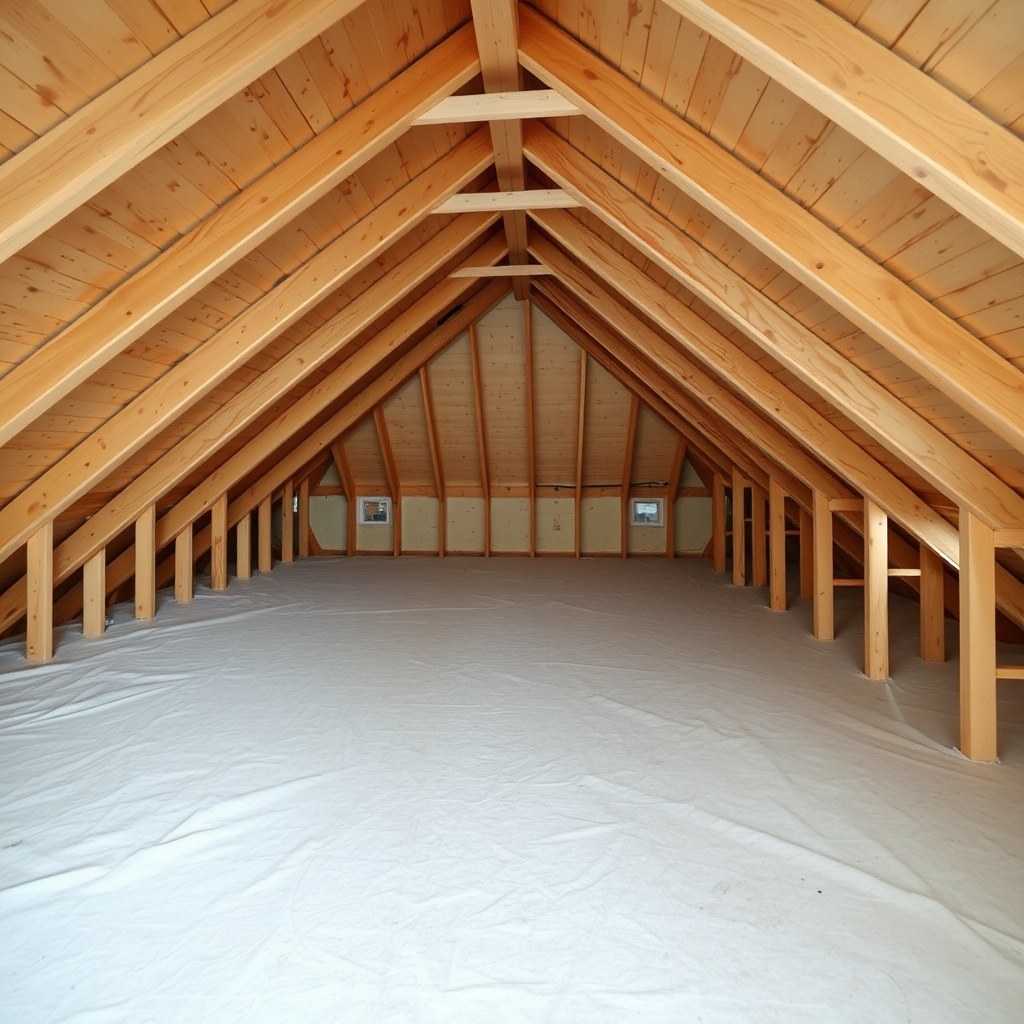
This is also the moment to catch anything else that's been hiding under the old material — deck damage, undersized or damaged ductwork, missing baffles or vents — before it's covered again for another 15-20+ years. Re-insulating without air sealing first is a well-known efficiency mistake: insulation controls conductive heat transfer, but it does very little to stop the convective air leakage that a proper seal addresses. Once new material is installed to current recommendations, our guide to energy savings after re-insulating covers what that combination actually delivers.
The Pest Angle: What "Pest Control Insulation" Actually Means
This search term covers two genuinely different things, and both matter here.
The first meaning is insulation material treated specifically to resist pests — borate-treated cellulose is the common example, noted in trade and field discussion as a material that can help deter rodents and insects even after it's installed. That's a material characteristic, not a certified pest-elimination method: no government or university-extension source we found validates a specific pest-deterrent efficacy figure for borate treatment, so we're presenting it here as a trait worth knowing about, not a guaranteed outcome.
The second meaning is the stronger angle, and it's the one that actually matters for a real infestation: insulation removal and sanitizing as part of genuine pest remediation, not a standalone cleaning step. Field reports from pest control companies consistently describe a bundled process — remove the contaminated insulation, sanitize the space, seal the rodent entry points in ducts and gaps, then install new insulation. The order matters. Re-insulating without sealing entry points first is a documented failure mode: new insulation just becomes a new nesting site if rodents can still get in the same way the old ones did. EPA's guide to preventing rodent infestations covers identifying and sealing those entry points, and EPA's pest-entry prevention guidance lays out the broader envelope-sealing approach that ties directly back into the air-sealing work covered above.
After Removal: Getting It Right the Second Time
Removal isn't the finish line — it's the setup for doing the job right. Once contamination is gone, moisture sources are fixed, and the deck is sealed, you're choosing new material for a clean start rather than working around what was already there. Our comparison of spray foam vs. fiberglass and our breakdown of common insulation myths both cover what to weigh when deciding what goes back in, and what attic insulation costs in this region gives you the re-insulation side of the budget to plan alongside removal.
Whether you're re-insulating with attic insulation matched to current recommendations, upgrading to spray foam insulation for the added air-sealing benefit, or addressing home insulation as part of a whole-house plan, the material choice matters less than getting the removal, sanitizing, and sealing steps right first. A professional insulation contractor who treats removal as the first phase of the job — not an afterthought before installation — is what actually prevents you from doing this twice.
We handle insulation removal services across Seminole, Andrews, Lubbock, Midland, Odessa, and the surrounding Permian Basin, including insulation removal in Seminole and insulation removal in Lubbock. If you're not sure yet whether your attic needs removal or just a top-off, schedule an insulation inspection and we'll tell you honestly which one it is.
Frequently Asked Questions
How much does it cost to get insulation removed?
Industry data puts attic insulation removal at roughly $600-$1,200 for a clean, dry attic, or about $1-$2 per square foot. Rigid board costs more to remove than blown-in because it requires hand labor. Contamination from pests, mold, or asbestos adds significantly on top of these baseline ranges.
Is it okay to put new insulation over old insulation?
Yes, if the existing insulation is dry, clean, undamaged, shows no pest activity, and is a compatible material. Removal becomes necessary instead when insulation is contaminated by pests, wet or mold-affected, compacted, smoke-damaged, or suspected to contain asbestos (pre-1990 vermiculite).
Should I replace insulation just because it's old?
Age alone isn't the deciding factor — insulation doesn't have an expiration date. What matters is its actual condition: is it compacted, contaminated, wet, moldy, or underperforming against current R-value recommendations? Inspect before assuming an older attic automatically needs removal.
Should I remove insulation that has mouse droppings in it?
Yes. Contaminated insulation should be bagged and removed, not cleaned in place. Fresh droppings, urine, or nesting material can release hantavirus particles into the air when disturbed, so contaminated insulation should never be swept, dry-vacuumed, or left in place.
How do you safely remove rodent droppings from attic insulation?
Never dry-sweep or vacuum droppings — this can aerosolize hantavirus particles. Ventilate the space for about 30 minutes first, wear gloves and appropriate respiratory protection, wet droppings and urine with a disinfectant solution before disturbing them, then bag contaminated insulation for disposal.
Is it dangerous to leave rodent droppings in the attic?
Yes. Rodent droppings and urine are a documented source of hantavirus, which can cause serious lung and kidney illness when airborne particles are inhaled — a risk that grows the longer contamination sits undisturbed and the more it gets stirred up during eventual cleanup or renovation.
What is "pest control insulation"?
It usually refers to insulation, often cellulose, treated with borate — noted in trade and field discussion as a material that can help deter rodents and insects. It's a material characteristic, not a certified pest-elimination method, and doesn't replace sealing entry points or active pest remediation.
Does pest remediation involve removing insulation?
Often, yes, for significant infestations. Field reports from pest control companies commonly describe a bundled process: remove contaminated insulation, sanitize the space, seal entry points in ducts and gaps, then install new insulation — because old, urine-marked insulation can keep attracting new rodents.
Should moldy attic insulation be removed?
Generally yes. Porous materials like insulation can allow mold to grow into empty spaces and crevices within the material, making it difficult or impossible to clean completely. The practical fix is removing and replacing mold-affected insulation while also fixing the moisture source that caused it.
Will homeowners insurance pay for mold damage or removal in the attic?
Usually not automatically — most homeowners policies exclude mold unless it resulted from a sudden, covered event like a burst pipe rather than gradual leaks or humidity. Coverage varies by policy and insurer, so check your specific policy language or ask your agent directly.
Can I remove vermiculite (possible asbestos) insulation myself?
No. EPA guidance is explicit that vermiculite insulation should be assumed to contain asbestos and left undisturbed. If it needs to be removed for a renovation, EPA recommends hiring a trained, accredited asbestos abatement contractor rather than a standard insulation crew or DIY removal.
How can I tell if my attic insulation might contain asbestos?
If it's a pebble-like, pour-in material that's gray-brown or silver-gold (often sold as "Zonolite"), it may be vermiculite from a Montana mine that supplied over 70% of U.S. vermiculite from 1919-1990 and was contaminated with asbestos. Assume it's asbestos-containing and don't disturb it to test.
Not Sure If You Need Removal or Just a Top-Off?
We'll inspect your attic honestly, tell you which one it actually needs, and quote the job that solves the real problem — not the bigger one.
Call 432-209-9154