Spray Foam vs Fiberglass Insulation: The Honest Comparison
Both materials work. Neither is a scam, and neither is a miracle. This is a side-by-side look at R-value, air sealing, moisture, cost, and IECC Climate Zone 3B code — sourced from the DOE, EPA, ENERGY STAR, ASTM, and SPFA, not a sales page for either side.
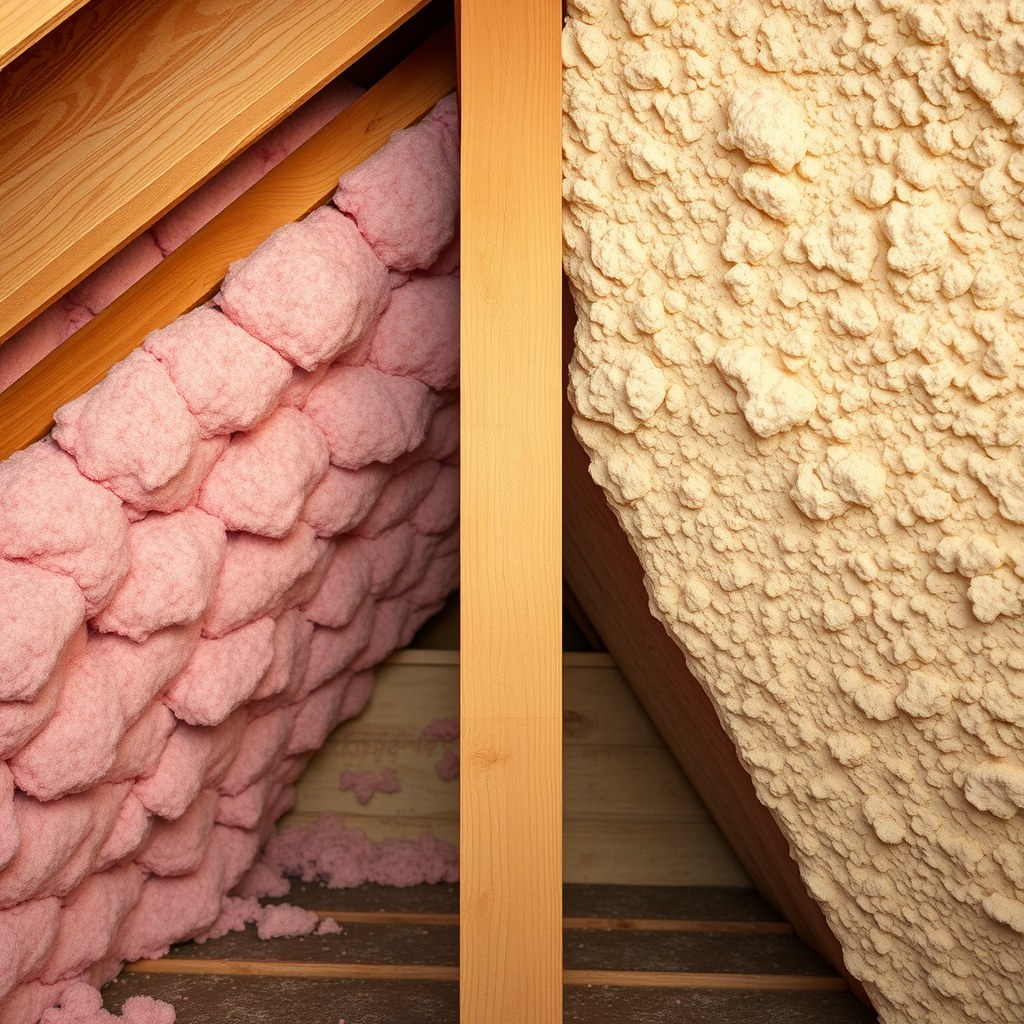
If you're insulating a home or shop anywhere from Seminole to Andrews, Lubbock, Midland, or Odessa, you've probably already hit the same wall every West Texas homeowner hits: spray foam contractors say fiberglass is obsolete, and fiberglass suppliers say spray foam is overpriced marketing. Both pitches leave out the parts that don't help their sale.
The honest version is less dramatic and more useful. Closed-cell spray foam and fiberglass are genuinely different materials with different physics, different price points, and different failure modes — and which one is "better" depends entirely on your building, your budget, and what you're trying to fix. This guide walks through the real, sourced numbers for both — R-value per inch, air sealing, moisture behavior, cost ranges, code minimums for IECC Climate Zone 3B, and a fair look at where fiberglass is still the right call — so you can make the decision with the same information a building-science professional would use.
Key Takeaways
- Closed-cell spray foam runs about R-6.2 per inch versus fiberglass batt's R-2.9–3.8 per inch — but R-value per inch isn't the whole story.
- Fiberglass is air-permeable by design — it doesn't stop air movement the way closed-cell foam does, and air leakage is now a separately enforced code metric under the 2021 IECC.
- Fiberglass fibers themselves don't grow mold — but real-world compression, gaps, and wind-washing can cut its installed R-value well below the number on the bag.
- Lower upfront cost, DIY-friendliness, and easy inspection/removal are real, legitimate reasons fiberglass is still the right choice for plenty of jobs — this isn't one-sided.
- There's no verified national average cost-per-square-foot for either material — get a local, project-specific quote rather than trusting a generic number online.
What R-Value Actually Measures
ENERGY STAR defines R-value as the standard measure of a material's resistance to heat flow — the higher the number, the more that material slows heat moving through it. It's the number printed on every roll of fiberglass and quoted for every spray foam job, and it's the first thing most homeowners compare when shopping insulation types.
But R-value is a laboratory measurement of the material alone, tested under controlled conditions. It doesn't automatically tell you how that material performs once it's installed in a real attic, wall, or metal building — compressed into an undersized cavity, gapped around wiring, or exposed to years of West Texas heat and wind. That distinction between labeled R-value and installed, real-world R-value is the single most important idea in this whole comparison, and it shows up again and again in the sections below.
R-Value Per Inch: The Verified Numbers
Here's where spray foam's headline advantage comes from. Per ENERGY STAR's insulation material comparison chart and the Spray Polyurethane Foam Alliance's R-value and moisture-barrier data, closed-cell spray foam delivers roughly R-6.2 per inch — nearly double fiberglass batt's R-2.9 to R-3.8 per inch, depending on the specific product's density and labeled thickness. Open-cell spray foam sits in between at about R-3.5 per inch, close to fiberglass batt but with a very different air-sealing profile (more on that next).
R-Value Per Inch by Insulation Type (verified, ENERGY STAR / SPFA / NAIMA)
Fiberglass isn't one fixed number either — per the Insulation Institute's (NAIMA) insulation-type comparison for homeowners, a standard 2x4 wall cavity filled with fiberglass batt typically lands around R-11 to R-15 total, depending on the product. Batt density and labeled thickness both move the per-inch number: an R-13 batt at 3.5" runs about R-3.7/inch, while an R-38 batt at 12.5" runs closer to R-3.0/inch — the exact ratio depends on the manufacturer's specific product line.
| Material | R-value per inch | Governing standard / source |
|---|---|---|
| Closed-cell spray foam | ~6.2 (some modern products higher) | ENERGY STAR / SPFA |
| Open-cell spray foam | ~3.5 | ENERGY STAR / SPFA |
| Fiberglass batt | 2.9–3.8 (density-dependent) | ASTM C665 |
| Blown fiberglass | 2.2–2.8 | ENERGY STAR / NAIMA |
Manufacturer-specific closed-cell products can run higher still — Demilec's Heatlok HFO High Lift is rated at roughly R-7.4 per inch and doubles as a Class II vapor retarder at 2 inches, while Icynene's open-cell line is commonly specified to reach R-20 total in a standard wall or roof-deck cavity. Fiberglass batts are manufactured and tested against ASTM C665, the governing specification for thermal resistance, water vapor permeance, and fire performance — it's a real, code-recognized standard, just a different one than the foam-specific ASTM tests spray polyurethane products carry.
Why this doesn't settle the argument by itselfHigher R-value per inch means you need less material thickness to hit a target R-value — useful in a shallow rafter bay or a metal building with limited cavity depth. But R-value alone doesn't capture air sealing, moisture behavior, or how each material actually performs 10–20 years into a building's life. Keep reading.
Why Air Sealing Matters More Than R-Value Alone
This is the point most insulation comparisons skip, and it's arguably the most important one for a leaky older West Texas home. Insulation R-value and air sealing are two separate properties. Per DOE Building America's air-sealing guideline, insulation reduces heat transfer only through conduction — it does very little to stop bulk air movement through cracks, top plates, penetrations, and rim joists unless the material itself also functions as an air barrier.
Fiberglass, whether batt or blown, is air-permeable by design: air moves through it. That's precisely why the same NAIMA comparison cited above is careful to note that fiberglass, mineral wool, spray foam, and blown cellulose all require a separate air-sealing strategy to perform to their labeled R-value — it isn't a knock on fiberglass specifically, it's a property of most fibrous insulation. Closed-cell spray foam is the exception: because it expands and adheres directly to the substrate, it functions as its own air barrier at roughly 1 inch of thickness, and as a combined air-and-vapor barrier at 1.5 inches or more.
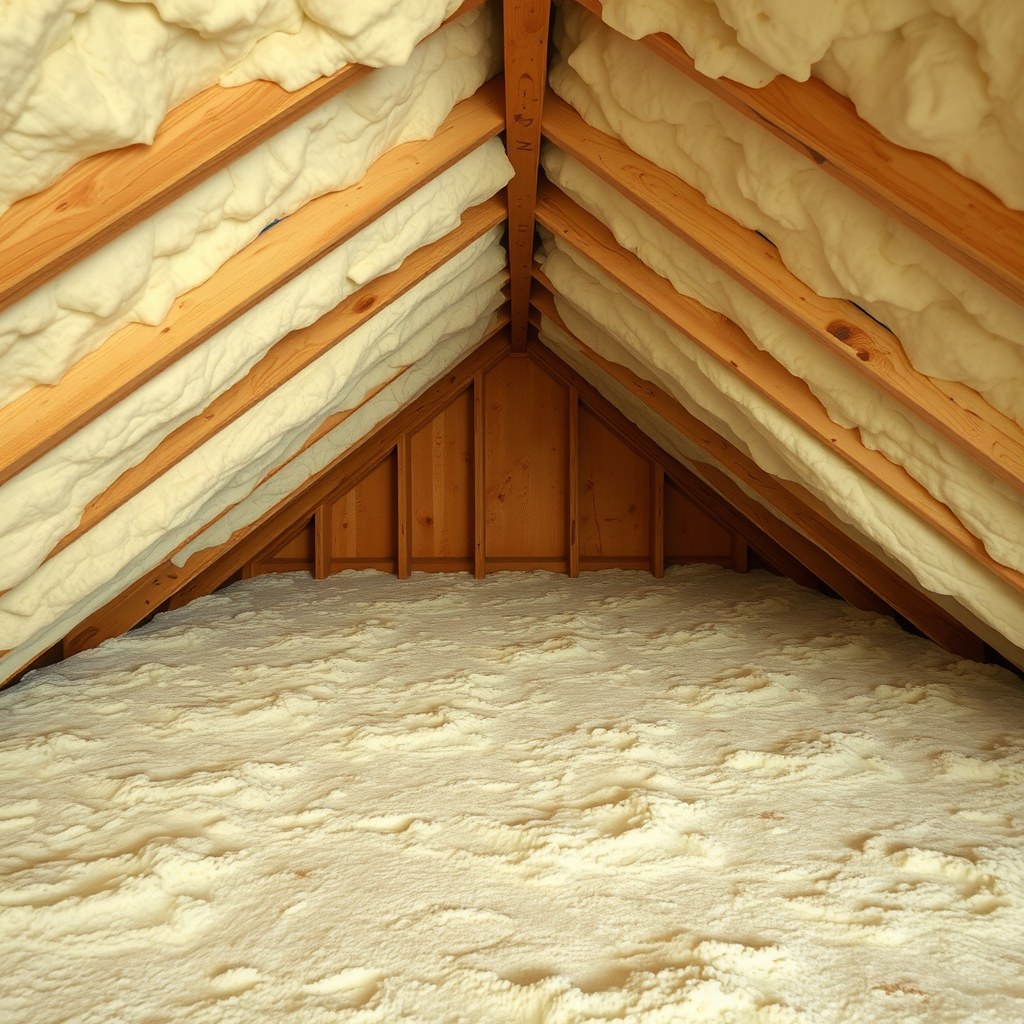
That last number matters for anyone building or majorly retrofitting in West Texas right now: the 2021 IECC tightened the maximum allowed tested air leakage rate to 3 air changes per hour at 50 Pascals for Climate Zones 3 through 8, verified with a blower-door test. It's now a code metric in its own right, separate from insulation R-value — which is exactly why an older Seminole or Andrews County home can carry code-legal R-value on paper and still feel drafty, run high utility bills, and let in dust through gaps the insulation layer never sealed.
Moisture, Mold, and West Texas Dust
This is a section where fiberglass gets an unfair reputation online, and it's worth correcting honestly rather than piling on. Fiberglass fibers themselves are inorganic glass — they don't rot, and they don't feed mold. When people report "moldy insulation," what's usually growing is on organic dust, paper facing, or adjacent wood framing that stayed wet, not on the glass fibers. Per the EPA's guidance on mold and moisture, mold needs an organic food source and sustained moisture — conditions the insulation material can sit inside of without itself being the cause.
The real difference between the two materials is what happens to the air (and anything riding in it) once it hits the insulation layer. Because fiberglass is air-permeable, humid or dust-laden air passes through it rather than stopping at it — which is why the EPA's broader research linking weatherization to indoor air quality treats air sealing, not insulation R-value alone, as the lever that actually controls what gets into a conditioned space. Closed-cell spray foam, by contrast, physically blocks that pathway at the insulation layer itself — and at 1.5 inches or greater, products like Heatlok HFO add a Class II vapor-retarder rating on top of that.
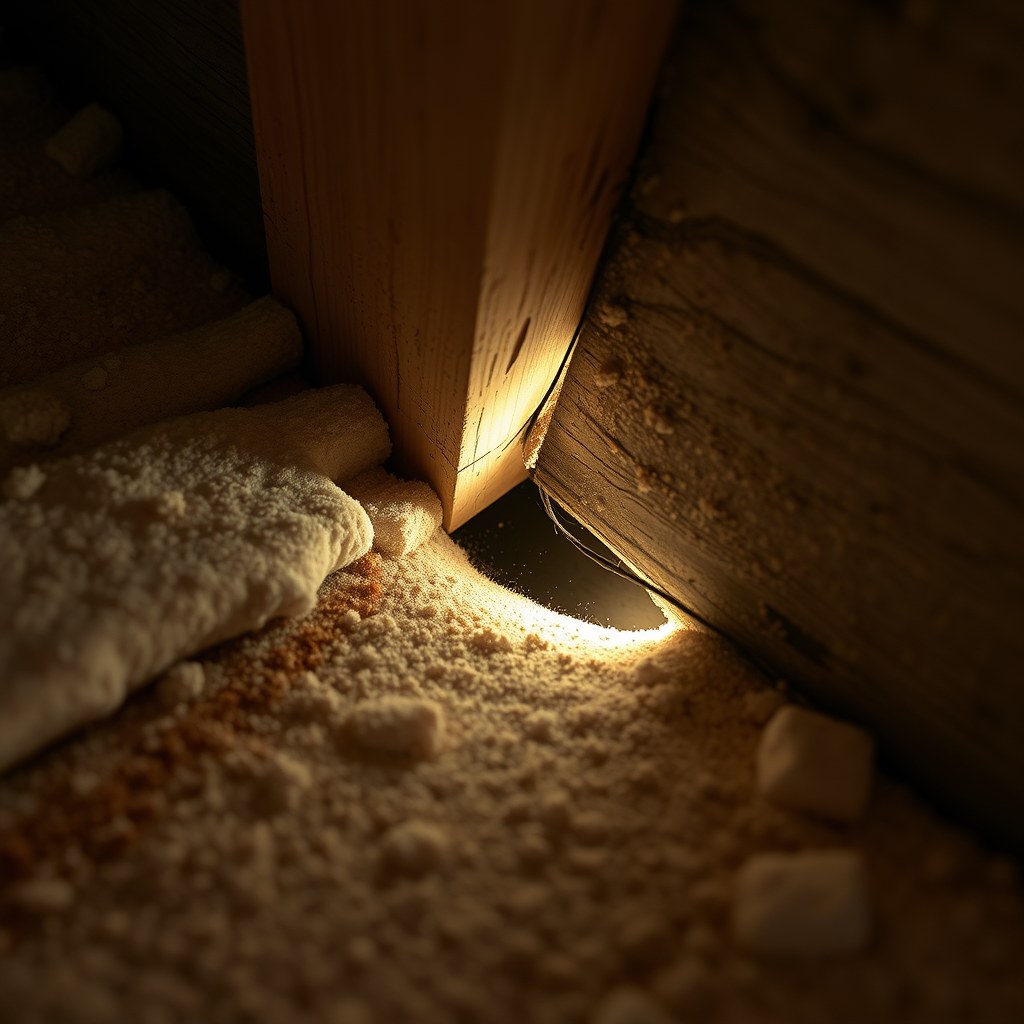
Fiberglass insulation grows mold.
Glass fiber is inorganic and doesn't itself support mold growth. Reported "moldy insulation" is almost always mold on trapped dust, paper facing, or wet framing nearby — a moisture-management problem, not a fiberglass problem.
There's no published study quantifying exactly how much wind-blown dust or sand moves through a fiberglass assembly specific to the Seminole/Andrews/Lubbock/Midland/Odessa corridor — that's a genuine research gap, not something we're going to invent a number for. What's verified is the underlying physical property: any air-permeable insulation layer without a separate air barrier allows the air it's exposed to (dust included) to migrate through it over time. In a region with regular blowing dust and sand, that's a reasonable, honest consideration — not a scare stat.
Real-World R-Value Loss: Compression and Wind-Washing
Here's the gap between the number on the bag and what a material actually delivers once it's installed. Fiberglass batts are engineered to a specific labeled thickness for a specific labeled R-value — compress that batt into a shallower cavity than it was designed for, and the R-value drops. That's not a defect; it's physics, and it's well documented by the fiberglass industry's own trade association.
Loose-fill fiberglass has its own documented weak spot: Oak Ridge National Laboratory testing on fiberglass thermal performance found that loose-fill (blown) fiberglass can lose 35–50% of its rated thermal resistance as the temperature difference between the attic and the outdoors increases — a cold-weather derating specific to loose-fill product, distinct from batts, which held up better in the same study. Gaps, uninsulated hatches, and wind-driven air movement across or through loose-fill material compound the same problem — a small percentage of uninsulated or gapped attic area can meaningfully reduce the average real-world R-value across the whole attic, even where most of the area is still nominally at full R-value.
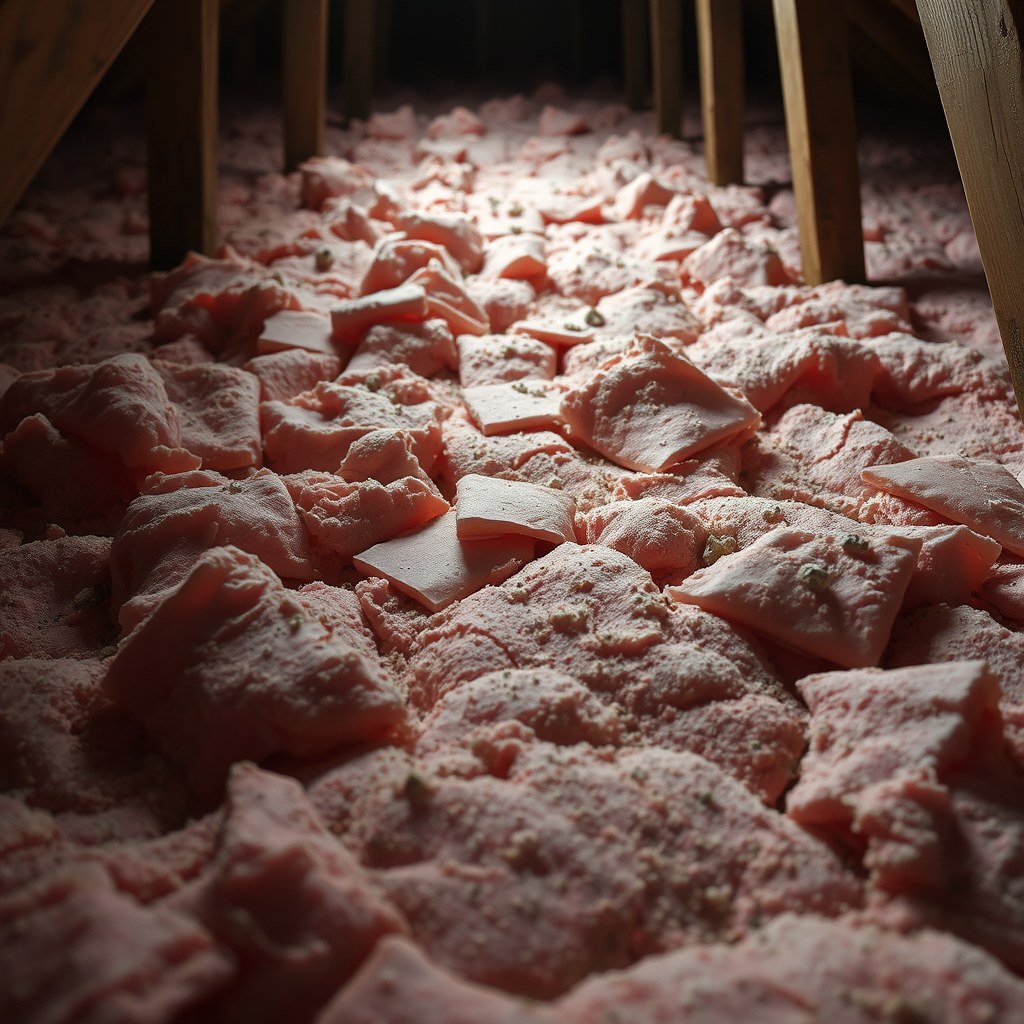
The honest comparison pointClosed-cell spray foam is monolithic and adheres to the substrate once cured — it doesn't compress into an undersized cavity or shift out of place the way loose-fill or friction-fit batt can. That's a genuine, well-documented durability advantage, separate from the raw R-value-per-inch number.
None of this means fiberglass batts installed correctly, at their designed thickness, in a well-sealed cavity perform badly — they don't. It means the labeled R-value on any fibrous insulation product is a best-case number, and the gap between labeled and installed performance is generally wider for fiberglass than for a foam system that expands to fill its cavity and bonds as it cures.
Lifespan: What's Actually Documented
Be skeptical of any article — including this one, if it tried — that hands you a precise "spray foam lasts 80 years, fiberglass lasts 20" head-to-head number. Per the Spray Polyurethane Foam Alliance, cured SPF resists structural deterioration and settling over time, but the trade association itself declines to commit to a single universal number of years, deferring instead to individual manufacturer product data. Fiberglass's expected service life is similarly inconsistent across industry sources, generally trending toward 15–30 years before performance degrades meaningfully in the field — driven by the compression, gaps, and wind-washing covered above, not by the glass fiber itself breaking down chemically.
The fair, defensible version: spray foam's durability advantage isn't a specific number of years, it's that a correctly installed, cured SPF system doesn't settle, sag, or compress the way loose-fill or batt material can over a couple of decades. Fiberglass's real-world lifespan is less about the material degrading and more about physical disturbance — compression, gaps opening up, moisture exposure, pest damage — all of which are addressable with proper installation and periodic inspection, not inherent flaws in the fiber itself.
Cost and Payback: Honest Ranges, Not Invented Prices
We're not going to hand you a "$X per square foot installed" number for either material, and you should be skeptical of any contractor site that does without qualifying it heavily. Per the Department of Energy's guide to home insulation, insulation costs "vary greatly at the retail level" and the DOE's own consumer guidance instructs homeowners to check with a local supplier or contractor for actual project costs — not to rely on a national average. That's the honest starting point for both materials: fiberglass typically carries a meaningfully lower material and installed cost than spray foam, which is the single most common reason homeowners choose it. Spray foam's higher upfront cost reflects the material itself, the calibrated equipment and PPE required to install it correctly, and the additional air-sealing and moisture-control performance you're buying alongside the R-value.
On the payback side, the DOE guide cites a solid, citable figure: homeowners can save up to 15% on heating and cooling costs, or up to 11% on total energy costs, by adding insulation to attics, floors, crawl spaces, and accessible rim joists and reducing air leaks — a figure that applies to bringing under-insulated assemblies up to spec, regardless of which material closes the gap. Insulation upgrades can also factor into resale value; per the National Association of Realtors' Remodeling Impact Report, energy-efficiency improvements consistently rank among the upgrades buyers respond to. If you're weighing a federal incentive into the decision, check the IRS's Energy Efficient Home Improvement Credit page directly for current-year eligibility and status before assuming it applies — credit terms and expiration dates change, and citing an outdated status would do you a disservice.
For a closer look at real project numbers in our own service area, see our breakdown of what spray foam actually costs in Seminole, and for the energy-savings side of the equation, our guide to energy savings you can expect from an insulation upgrade.
IECC Climate Zone 3B: What West Texas Code Requires
Seminole, Andrews, Lubbock, Midland, and Odessa all fall within IECC Climate Zone 3B. Per the 2021 International Energy Conservation Code's climate-zone R-value requirements, Zone 3 saw its ceiling/attic insulation minimum increase from R-38 to R-49 in the 2021 code cycle, alongside a new slab-edge insulation requirement and the tightened air-leakage standard covered above. Whichever material you choose, hitting current code minimums — not whatever was standard when your home was originally built — is the baseline for any new construction or major retrofit.
| Requirement (2021 IECC, Zone 3) | What changed |
|---|---|
| Ceiling/attic insulation | Increased from R-38 to R-49 |
| Slab-on-grade insulation | New requirement: R-10 at 2 ft depth |
| Maximum tested air leakage | Tightened to ≤3 ACH50 (Zones 3–8) |
Older homes throughout the Permian Basin were often insulated to whatever code (or no code) applied decades ago, and many carry nowhere near R-49 in the attic today. That gap is exactly why an insulation upgrade assessment matters before assuming your current insulation is "fine" — whichever material you land on, the current Zone 3B minimums are the target, not a suggestion.
Where Fiberglass Is Still the Right Call
This is the section a one-sided spray foam article skips, and skipping it is exactly what makes those articles read like a sales pitch instead of honest advice. Fiberglass is the right choice for a real, sizable share of West Texas insulation jobs — not a consolation prize.
Fiberglass also carries no equivalent to spray foam's code-mandated thermal or ignition barrier requirement, which simplifies inspection in unfinished spaces. If your job is a straightforward attic top-up on a tight budget, or a wall cavity you'll want easy future access to, fiberglass is a genuinely sound, code-compliant choice — not a compromise.
Pests, Sound, and the Fire/Thermal Barrier Question
A few secondary factors come up often enough to address directly, with the sourcing quality clearly labeled for each.
Pests: Insulation contractors commonly report that cured, denser spray foam is harder for rodents to shred for nesting than soft fiberglass batt, which pulls apart easily. This is trade experience, not a controlled scientific study — worth knowing, but not a decisive factor on its own.
Sound: Open-cell spray foam is often cited for filling small gaps that are typically the primary sound-leakage pathway in a wall or ceiling assembly; the sound-attenuation benefit in most installs comes largely from that gap-filling and air-sealing effect rather than the material's mass alone. Fiberglass batt also has real, established sound-dampening properties in standard wall assemblies. Neither material is a soundproofing product by itself.
Fire and thermal barrier — this one is code, not opinion: per the Spray Polyurethane Foam Alliance, cured spray foam is a combustible plastic that will burn on direct flame contact and must be protected by a thermal barrier (typically drywall) in occupied space, or a lighter ignition barrier in attics and crawlspaces used only for utility access. This is a standard, decades-old code requirement every licensed installer builds into the job — not a loophole, and not evidence that spray foam is unsafe when installed to spec. Fiberglass carries no equivalent barrier requirement, which is a genuine simplicity advantage in unfinished spaces where a barrier isn't otherwise planned.
Addressing the Insurance and Resale Questions Honestly
Real search volume shows homeowners worry about whether spray foam makes a house harder to sell, finance, or insure. That concern deserves a straight answer instead of being waved away. The pattern in documented cases is consistent: friction traces back to specific installation issues — roof-deck foam that traps moisture against sheathing and masks a slow leak from a visual inspection, or non-permitted, code-noncompliant installs missing a required ignition barrier — not to professionally installed spray foam as a category.
There's no authoritative national data quantifying insurer policy specifics on spray foam one way or the other, and this article isn't going to invent any. What's verifiable is the underlying building-science point: a correctly specified, code-compliant, professionally installed SPF system doesn't carry the moisture-trapping or code-violation risk that drives the documented problem cases. That's also, honestly, the strongest argument for choosing an experienced, licensed installer for either material — fiberglass installed without proper air sealing, or foam installed off-spec, both create real problems down the line.
Which Should You Choose? A Decision Framework
Neither material is universally "better." Use this as a starting framework, then talk through your specific building with an installer before deciding.
Whichever direction you're leaning, the right next step is the same: get a specific, on-site assessment of your attic, walls, or whole-home envelope rather than deciding from a blog post alone. If you're comparing spray foam types once you've settled on foam, our open-cell vs. closed-cell spray foam guide goes deeper on that decision. And if old, degraded fiberglass needs to come out before new material goes in — foam or otherwise — our insulation removal team handles that as part of the same project, working with a qualified insulation contractor who scopes the whole job rather than just one material.
Frequently Asked Questions
What is better, spray foam or fiberglass insulation?
Neither wins outright. Closed-cell spray foam delivers the highest R-value per inch (~R-6.2) plus air sealing and moisture resistance, ideal for tight envelopes. Fiberglass costs less upfront and is easier to inspect, remove, or DIY-install, making it the practical choice for budget-driven attic top-ups.
What is the downside of spray foam insulation?
Higher upfront installed cost than fiberglass, professional-only installation (not DIY-friendly), a code-required ignition or thermal barrier in occupied spaces since cured foam burns on direct flame contact, and permanent bonding to the substrate — making later removal or wiring/plumbing access more disruptive than with fiberglass.
Why is it hard to sell a house with spray foam insulation?
Buyer or lender hesitancy usually traces to specific installation issues — roof-deck foam that traps moisture and hides rot, or non-code DIY jobs missing a required ignition barrier — not spray foam as a category. Professionally installed, code-compliant SPF does not carry these risks.
How much does it cost to spray foam a 1,500–2,000 sq ft home?
No single verified national number exists. The DOE's own consumer guide states insulation costs "vary greatly at the retail level" and recommends checking with a local contractor. Cost depends on open-cell vs. closed-cell choice, attic vs. wall-cavity application, and your R-value target — get a project-specific quote.
Does spray foam insulation air seal a house?
Yes. Closed-cell spray foam functions as an air barrier at roughly 1 inch of thickness and a combined air-and-vapor barrier at 1.5 inches or more. Fiberglass, by contrast, is air-permeable and does not air-seal on its own — it requires a separate air-sealing strategy to hit its labeled R-value in practice.
How long does spray foam insulation last?
The Spray Polyurethane Foam Alliance confirms SPF resists structural deterioration and settling over time but defers an exact lifespan figure to the specific manufacturer's product data rather than a single universal number. Ask your installer for the manufacturer's published service-life data for the exact product used.
Does fiberglass insulation deteriorate over time?
The glass fibers themselves are inorganic and don't chemically break down, but real-world performance drops from compression in undersized cavities, settling and gaps in loose-fill, and wind-washing across the material — all of which can meaningfully reduce installed R-value well below the labeled number.
What R-value is 12 inches of fiberglass?
It depends on the product. Fiberglass batt runs roughly R-2.9 to R-3.8 per inch depending on density, so 12 inches of batt typically lands around R-35–R-45. Blown fiberglass is lower-density at R-2.2–R-2.8 per inch, so 12 inches blown typically lands around R-26–R-34. Always check the manufacturer's labeled R-value.
Will fiberglass insulation mold if it gets wet?
The fiberglass material itself is inorganic and does not support mold growth. But if it stays wet, trapped moisture can support mold on adjacent organic materials — wood framing, dust, paper facings — and the insulation loses R-value while wet, so it should be dried or replaced after significant water exposure.
Does spray foam insulation require a fire barrier?
Yes, in occupied or work spaces. Cured spray foam will burn on direct flame contact and must be protected by a thermal barrier (typically drywall) in living space, or a lighter ignition barrier in attics and crawlspaces used only for utility access. This is a genuine, decades-old code requirement, not optional advice.
Is spray foam insulation better for a metal building or attic in West Texas heat?
In hot climates, closed-cell spray foam's air sealing and higher R-value per inch help control both heat gain and infiltration of hot, dust-laden air — a meaningful advantage over air-permeable fiberglass in a leaky assembly. IECC Climate Zone 3B also sets a tightened 2021 code air-leakage limit that favors air-sealing insulation systems.
Is it worth it to DIY spray foam insulation?
Spray foam requires precise on-site mixing/ratio control and proper PPE; DIY kits are realistically limited to small sealing jobs, not whole-building insulation. Fiberglass batts are explicitly designed to be installable by homeowners. For any job needing a code-compliant ignition barrier or a structural R-value target, professional SPF installation is the standard path.
Does spray foam keep rodents and pests out better than fiberglass?
Cured, denser spray foam is commonly reported by insulation contractors as harder for rodents to shred for nesting compared to soft fiberglass batts, which pull apart easily. This is industry-reported field experience rather than a controlled scientific study, so weigh it as one factor among several, not a deciding one.
The Bottom Line
Spray foam and fiberglass aren't rivals in a marketing war — they're two different tools with different strengths. Closed-cell spray foam wins on R-value per inch, air sealing, and moisture control, which matters most in a leaky envelope, a metal building, or a cavity where you can't afford much thickness. Fiberglass wins on upfront cost, DIY accessibility, and easy future access, which matters most on a budget-driven attic top-up or a wall you'll want to open again someday. The right call depends on your specific building, not a blanket rule either side of the internet will hand you for free.
Get an Honest Assessment for Your Property
No sales pitch on either extreme — just a real look at your attic, walls, or building type to determine which material, and which application, actually fits your project and budget.
Get a Free Insulation AssessmentServing Seminole, Lubbock, Andrews, Midland, Odessa, and the surrounding Permian Basin with spray foam insulation installation and honest, building-specific recommendations. Not sure your current insulation is still doing its job? See our guide on signs your insulation needs replacing, and for the common concerns we hear most, our common spray foam myths article addresses them directly.